
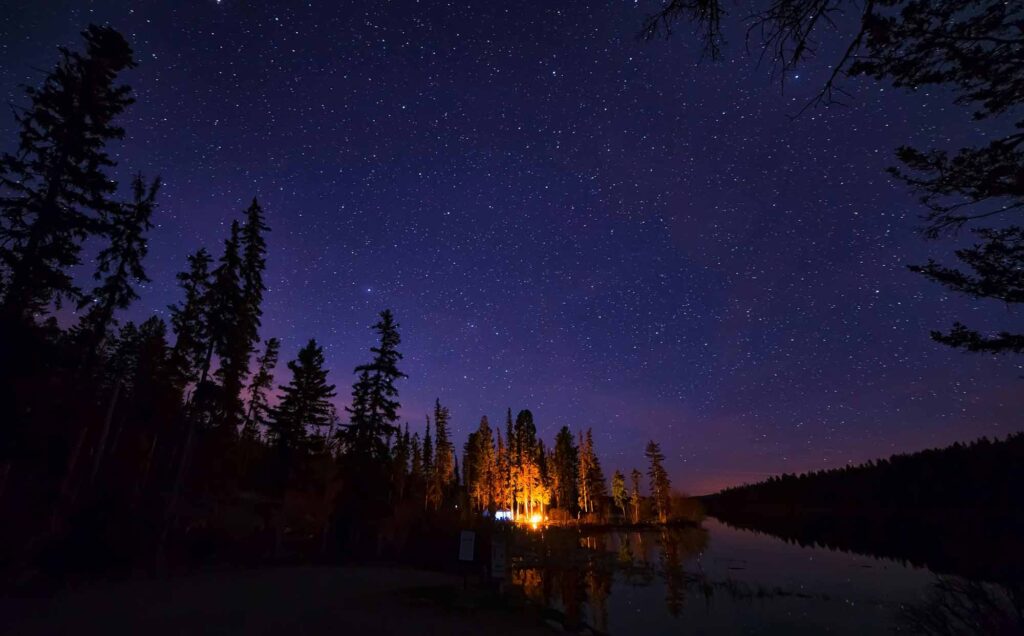
Douglas Brynes Camping Trip
Douglas Brynes went into the Adirondack wilderness not to escape society, but to remember it at its proper scale. He carried with him only what his hands could justify: a pack worn thin by earlier journeys, a length of rope, a kettle darkened by old fires, and a wooden tobacco pipe polished smooth by years of thoughtful use. The week he intended to stay was not marked on any calendar that mattered; it was measured instead by daylight, hunger, and the slow conversation between his footsteps and the forest floor.
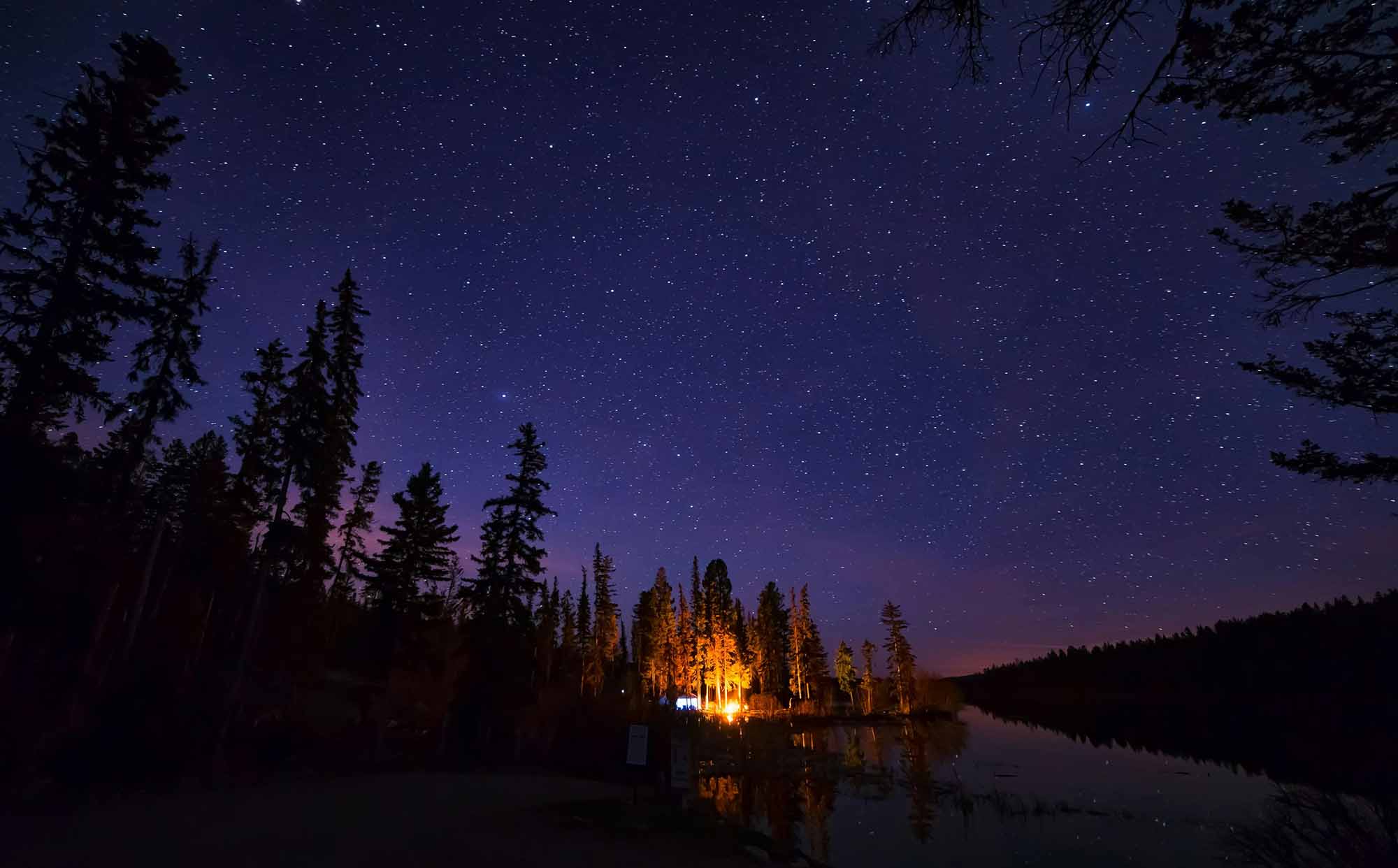
He pitched his camp beside a small lake whose surface each morning appeared newly invented. The water accepted the sky without argument, and Douglas found in this an instruction more useful than any sermon. During the day he walked the narrow paths traced by deer and chance, noting how the land asked nothing but attention. The pines stood in quiet assembly, their needles composing a soft underfoot philosophy that spoke of endurance without ambition. Birds crossed his path without ceremony, and the wind passed through the trees as if turning pages he had not yet learned to read.
Each evening he built his fire with care, never larger than necessary, for he believed excess light obscures more than it reveals. As the flames settled into a steady discourse, Douglas filled his wooden pipe with tobacco and lit it from a coal, preferring the old intimacy of flame to any modern convenience. The smoke rose slowly and joined the night air, indistinguishable at last from the breath of the forest itself. In those moments he felt not solitary but precisely placed, like a word that had finally found its sentence.
He sang then—not for audience or applause, but because silence, too long unbroken, can grow proud. His voice was plain and untrained, yet it carried honestly across the water and into the trees. The animals did not flee. An owl once answered, not in harmony but in acknowledgment, and a fox paused at the edge of the firelight as if weighing the usefulness of fear. Douglas sang to remind himself that language, before it became argument, was simply sound offered in good faith.
Between songs he contemplated life with the patience of one who knows answers arrive unannounced. He considered how men hurry through days as though pursued, and how little of what they carry is truly needed. He thought of homes built too large for their joy, of conversations filled with noise and emptied of meaning. Here, with the lake dark and attentive, his thoughts grew lean and necessary. What remained after the superfluous fell away seemed not bleak but sufficient.
When the week drew to its close, Douglas felt no triumph in having endured the wilderness, for it had never opposed him. Rather, he felt instructed. The forest had lent him its rhythm, the fire its counsel, and the smoke its quiet lesson in disappearance. As he packed his things and left no mark that would not soon forget him, he understood that a man does not find himself by going far, but by going deliberately—and listening until the world answers back.